Rumpelstiltskin AI Video vs the Original: Same Moves, Your Face
A Rumpelstiltskin AI video copies the original tip toe clip move for move and cut for cut, and swaps in the face and hair from the uploaded photo. Below, three of our AI videos play in sync under the original, followed by matching frames and an honest look at how much each face resembles its photo.
One photo, and you star in your own tip toe video
You play the little man in a 12-second video with AI-generated sound, usually ready in about 13 minutes. Halloween with family or friends? Add a second photo next for the woman in the hay.
You have left · 1 video $9.99 · or 3 for $24.99 · 1 video in 1080p $24.99 · or 3 for $69.99 · see pricing
4s · 480p · watermark · 1 per account
Quick check before your free preview
Rumpelstiltskin AI video vs the original, side by side
Each video plays the original meme clip on top and an AI video made on this site underneath, in sync. They play muted on a loop; tap for sound to hear the AI video, which comes with AI-generated sound. Where the original came from is explained below the videos.
Two photos: you and a friend
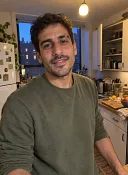 You
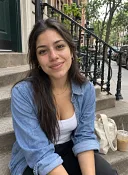 Friend
One photo: only the little man
 You
Two photos, 9:16 vertical
You
Friend
Every AI video is 12 seconds long. The small pictures in the top-left corner of each AI video are the photos that were uploaded.
Where the original Rumpelstiltskin AI video comes from
The “original” on this page is the viral tip toe clip, and it’s AI-generated too. It was first posted on Instagram on August 27, 2026, by the accounts Stroinaya, Neuroferma and Anna Glinskaya; Stroinaya is self-described AI artist Tatyana Tereshchenko. In late September 2026, a TikTok user paired it with Riff Raff’s song, and it became the Rumpelstiltskin meme. For who says it’s AI and how to spot it, see Is the Rumpelstiltskin meme AI?
Same moves, same timing
In its first 12 seconds, the original tip toe clip switches camera shots 10 times. In all three AI videos, every switch lands on the same moment as in the original, less than 1/30 of a second off, so each AI video lines up with the meme shot for shot.
What carries over from the original:
- the creep toward the woman, crouched low on tiptoe;
- the finger-to-lips shush in the close-up;
- the jump up and the arms-wide bounce from foot to foot;
- the shoe close-ups, the camera angles and the framing of every shot;
- the barn, the hay, the velvet tailcoat and the woman’s cream dress.
Frame by frame: the same moment in both
Each pair below shows the same second of the original clip and of an AI video. Tap a frame to see it larger.
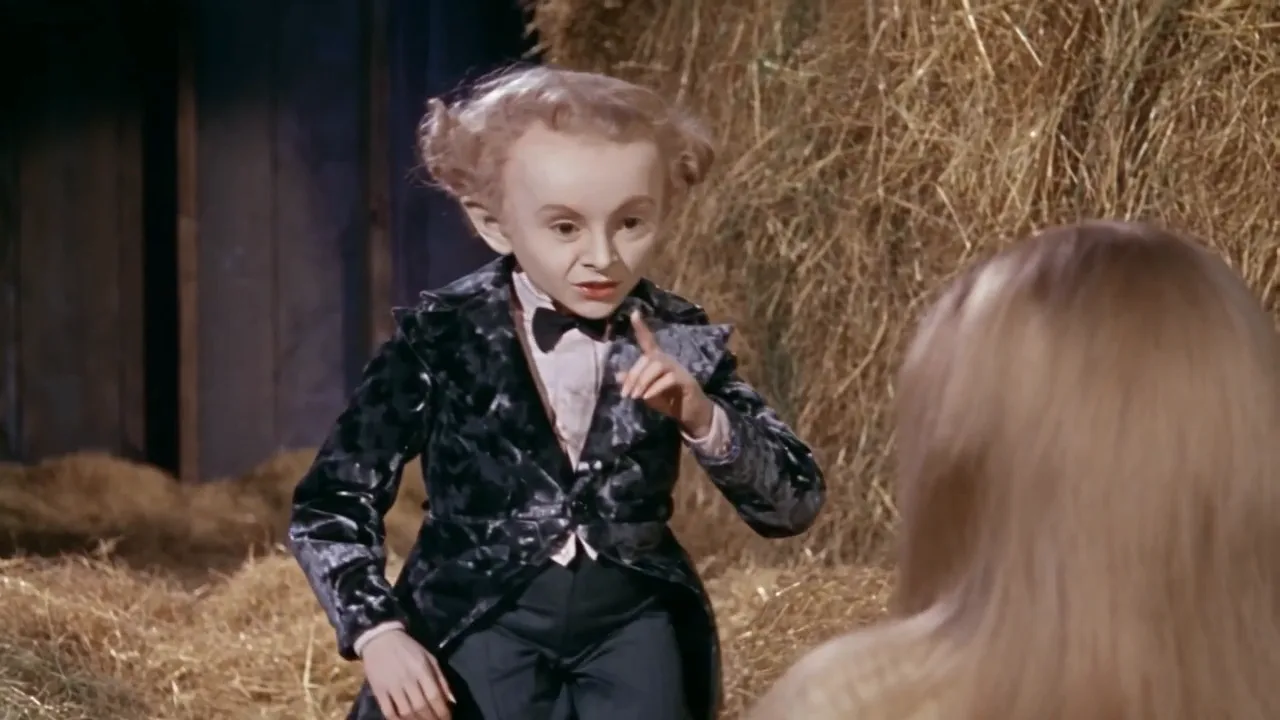
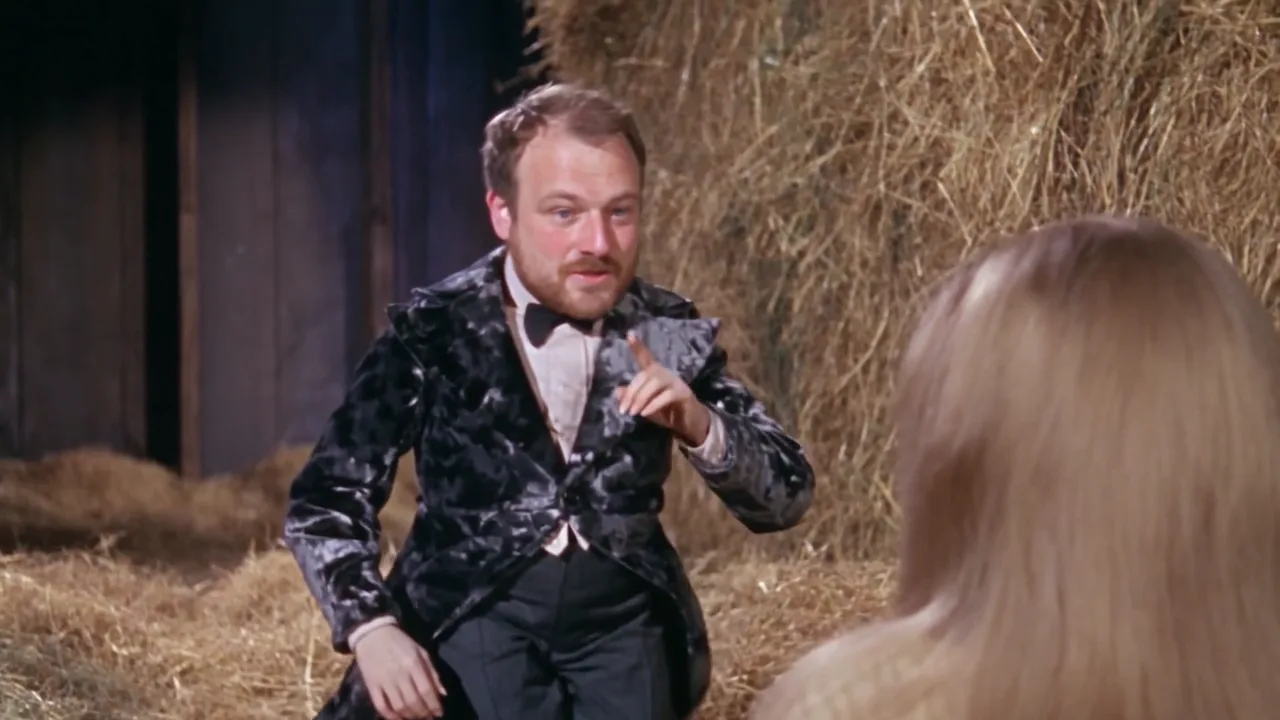
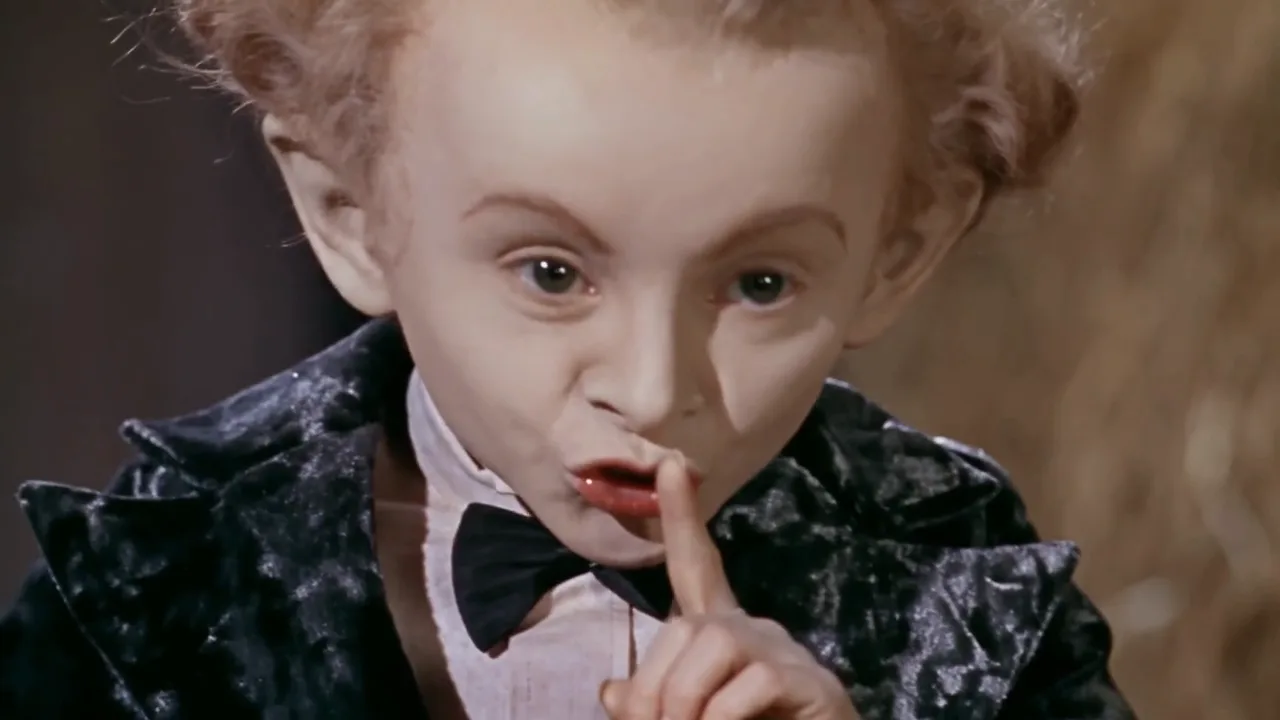
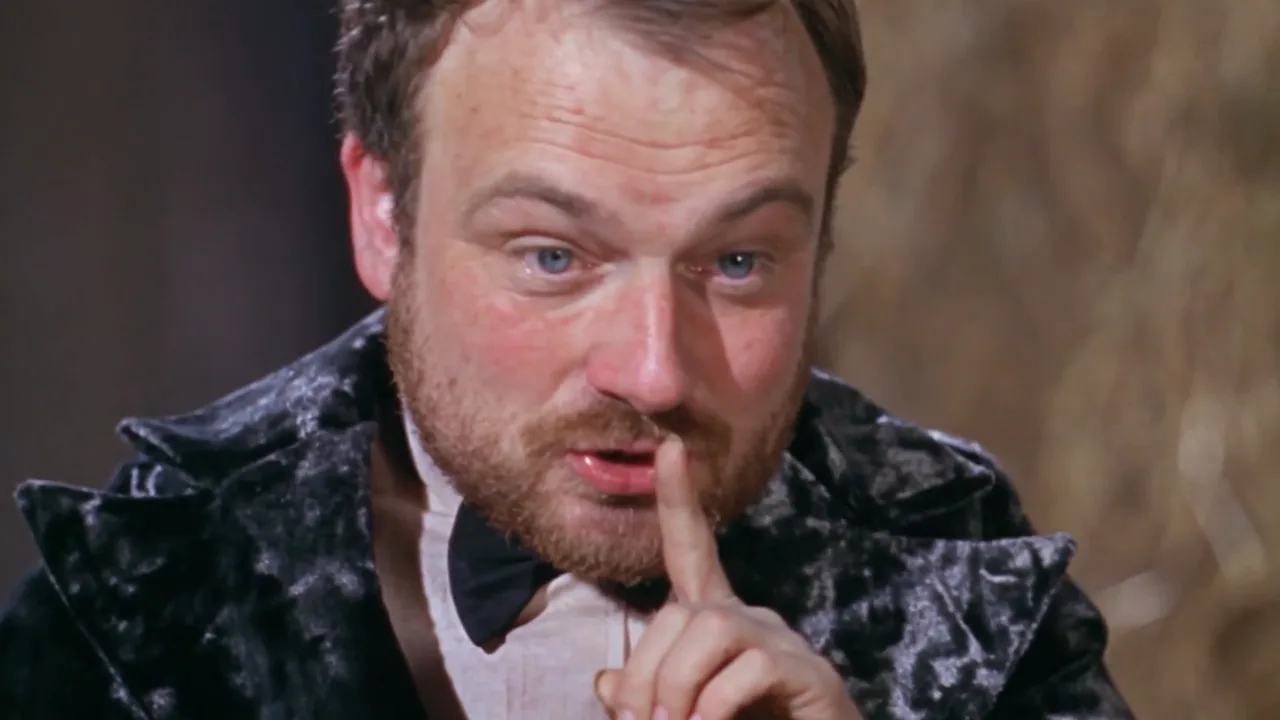
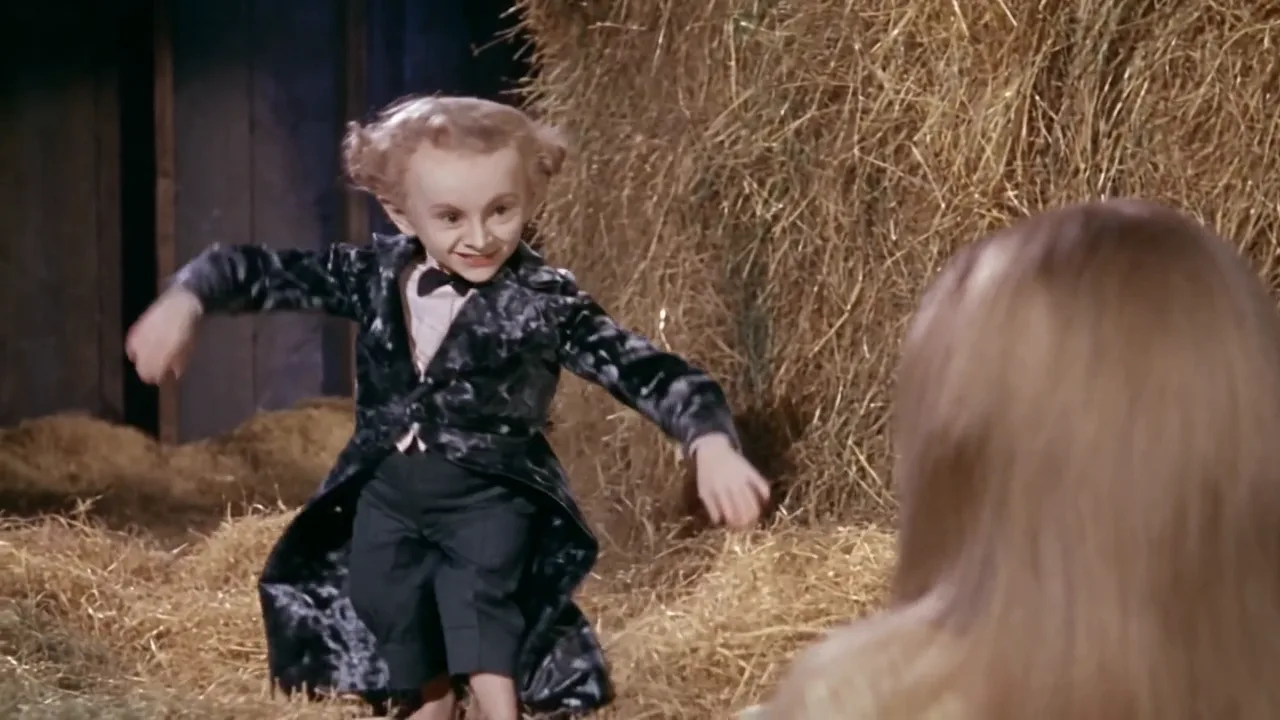
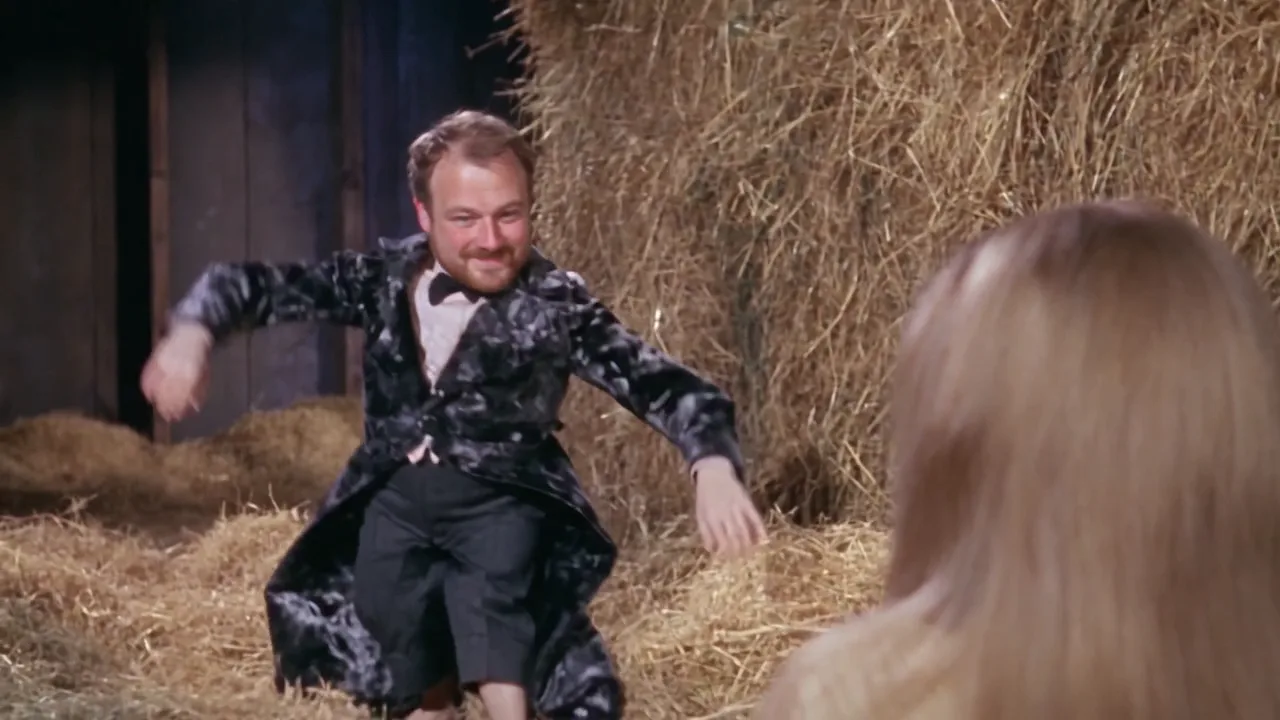
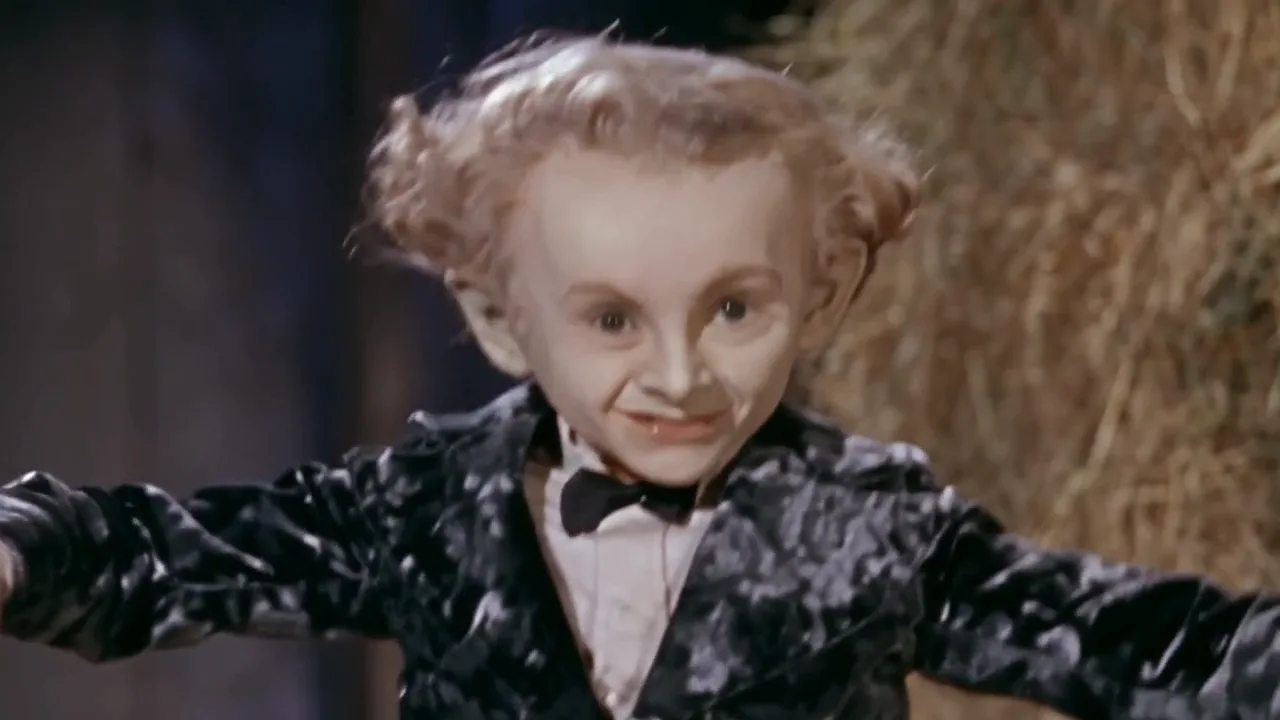
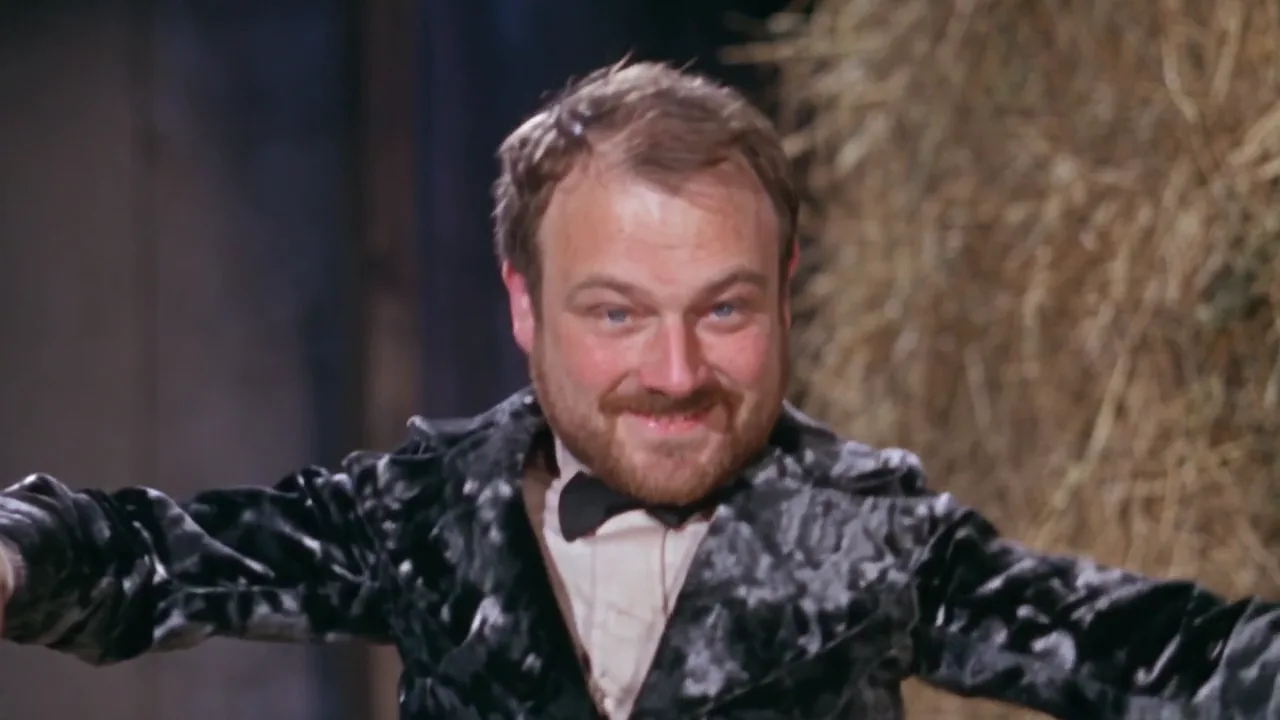
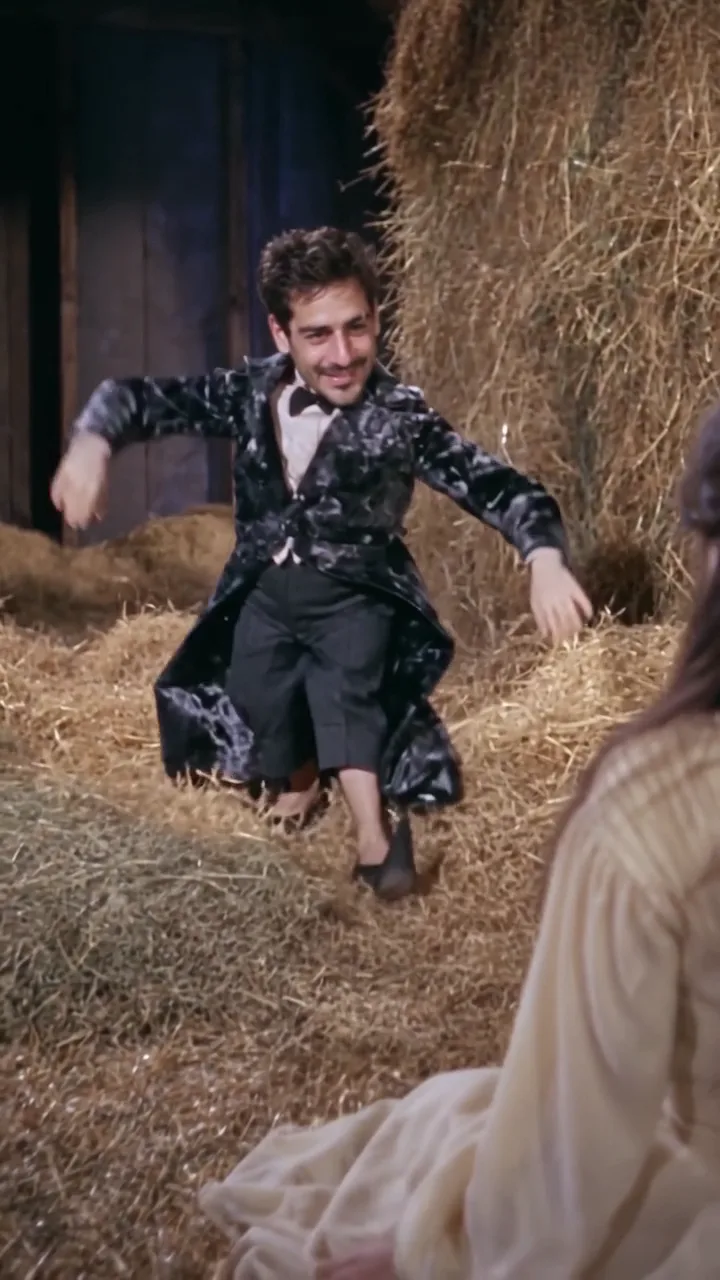
The AI video frames are AI-generated; the input photo shows an AI-generated person.
The 9:16 version keeps the same moves and timing but is framed for a phone screen. Each shot is taller and narrower, so the little man is shown head to toe with more hay below him, and less of the barn at the sides.
Does the Rumpelstiltskin AI video look like the photo?
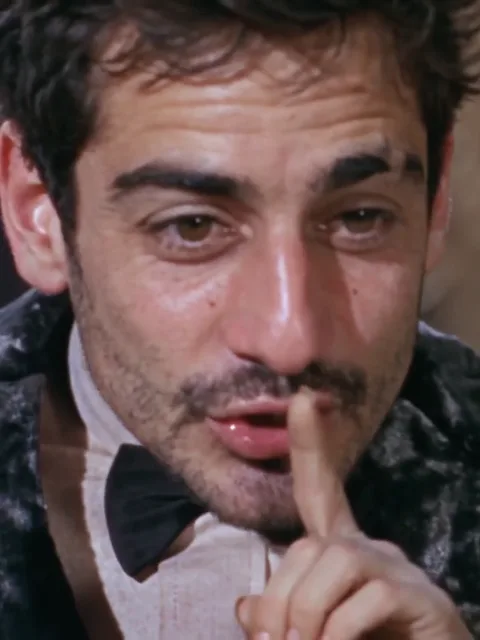
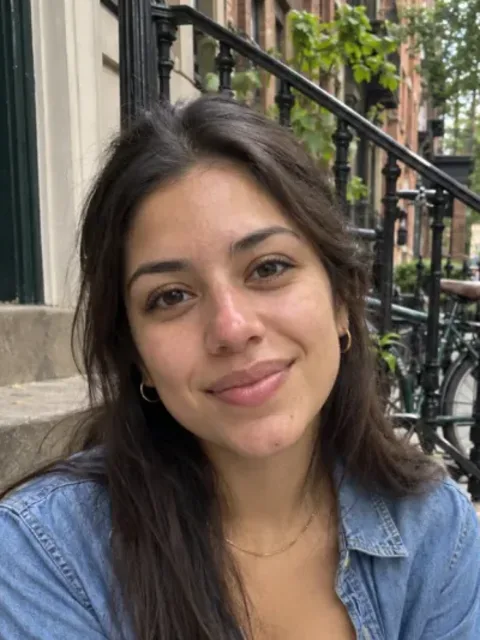
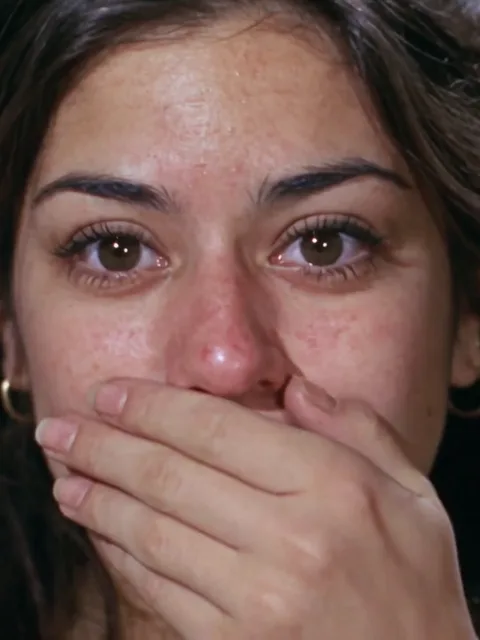
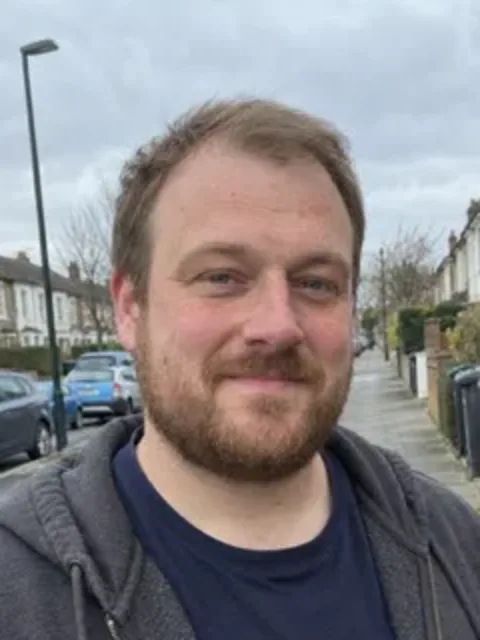
Each pair below puts an uploaded photo next to the same person’s face in the AI video, taken from a close-up. Judge the likeness the way you would for your own photo.
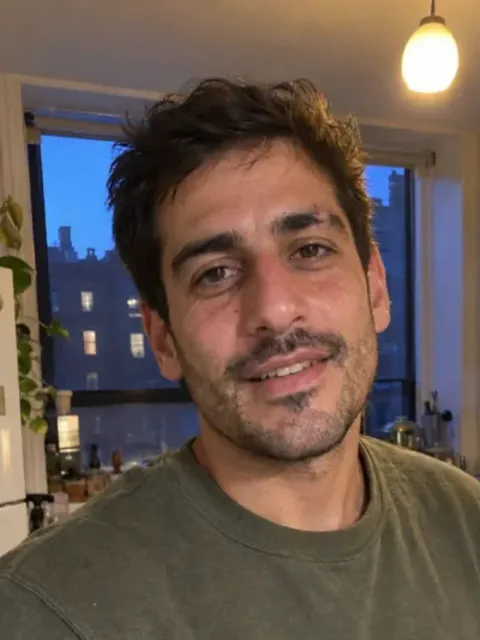
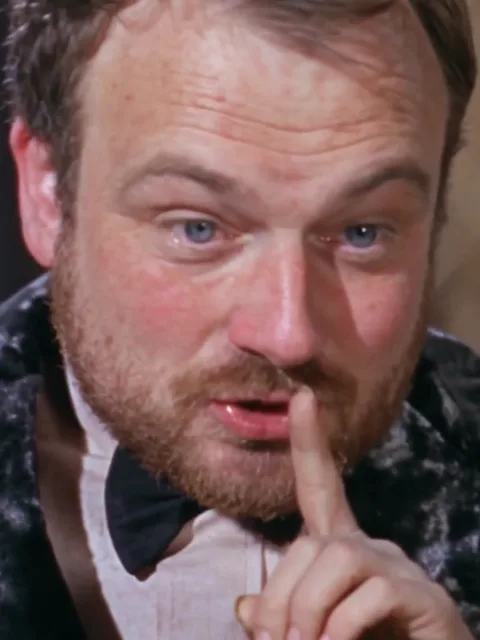
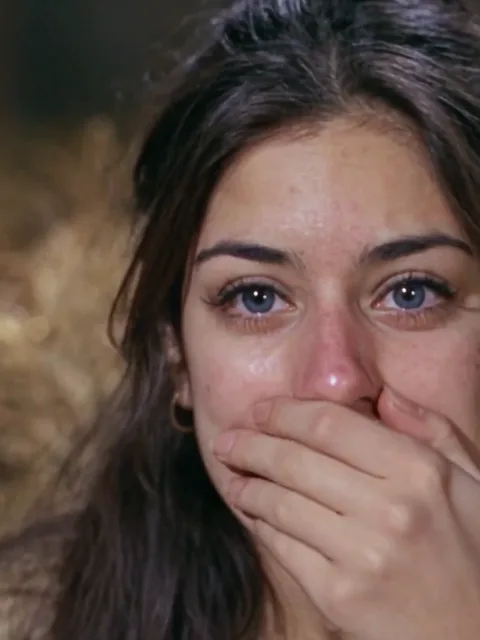
The people in these photos and videos are AI-generated.
What looks like the photo
- Hair. Color, texture and length come from the photo: short dark wavy hair, long dark hair, short receding light-brown hair.
- Facial hair. The mustache and stubble, and the full red-brown beard, carry over.
- Eye color in the 16:9 videos. Brown eyes stay brown and blue eyes stay blue.
- Face shape and features. Brows, nose and jaw follow the photo, so each person is recognizable in the close-ups.
- Small details. The friend’s small gold hoop earrings show up in the video.
What doesn’t
- Expressions. The face does what the character does: the shush, the tears, the grin. The expression in your photo isn’t carried over.
- Skin. Close-ups look rougher than the photos: a grainy old-film look, warm barn light, a red nose and tears in the crying shots, and more freckles and lines than the photos show.
- Body and clothes. Height, build and costume stay from the original. Your own clothes aren’t used.
- Eye color in the vertical video. In our 9:16 example, the woman’s eyes came out blue, like the original’s, instead of the brown in her photo.
- Wide shots. Faces are small in the wide shots, and the shoe close-ups show no face at all.
In all three examples, each replaced face is recognizable from its photo in the close-ups: hair, facial hair, face shape and, in the 16:9 videos, eye color carry over. It isn’t a perfect copy: expressions, skin texture, body and costume come from the original scene, and in the vertical example the woman’s eyes kept the original’s blue.
How to get a closer likeness
- Use a sharp, front-facing photo with your whole face in the frame.
- Pick even light, such as daylight from a window, with no sunglasses, mask or heavy filter.
- Use one person per photo: crop out anyone else.
- Upload the original photo, not a screenshot.
If a video doesn’t look like you, try a different photo and generate again. Each try makes a new video at the usual price, so start with your best photo. Our photo requirements guide has more examples of photos that work.
Make your own Rumpelstiltskin AI video
- Upload a clear, front-facing photo for the little man, the woman in the hay, or both. A role without a photo stays as in the original clip.
- Sign in and pick a shape: 9:16 vertical for TikTok and Reels, or 16:9 widescreen, at the same price. Standard 720p starts at $9.99 and HD 1080p at $24.99; one or two photos cost the same, and the price is shown before you generate.
- Generate. It’s usually ready in about 13 minutes. Download the 12-second MP4, which comes with AI-generated sound.
You must be 18 or older, and only use photos of yourself or of people who have agreed. To put a friend in the scene too, see two people in one video; for every step with screenshots, read how to make a Rumpelstiltskin AI video.
Make your Rumpelstiltskin AI videoRumpelstiltskin AI video FAQs
Does the Rumpelstiltskin AI video look like me?
It takes your face and hair from your photo, and in our examples each replaced face is recognizable in the close-ups, but it isn’t a perfect copy: your expression, skin texture, body and clothes follow the original scene. A sharp, front-facing photo in even light gives the closest likeness.
Will my video move exactly like the original?
The moves, camera angles and shot changes follow the original tip toe clip. In our three examples, every shot change lands less than 1/30 of a second off the original’s.
Can I replace only one person?
Yes. Upload one photo for the little man or for the woman in the hay; the other role stays as in the original. One or two photos cost the same. See two people in one video.
Why does the vertical video look different from the original?
The original is widescreen. The 9:16 version keeps the moves and timing but is framed for a phone screen, so each shot is taller and narrower. In our vertical example, the woman’s eyes also stayed blue like the original’s.
Sources
- Know Your Meme, AI Rumpelstiltskin “Tip Toein’ In My Jordans” (published October 6, 2026)
- NBC News, “An AI-generated Rumpelstiltskin meme is freaking out much of the internet” (October 7, 2026)
- EarlyGame, “Creepy AI Rumpelstiltskin Sends Viewers Searching for a Movie That Never Existed” (October 13, 2026)
- Shot-change times, frame pairs and face crops: our frame-by-frame check of the three example videos on this page against the meme clip, October 26, 2026.